The BBC Turkey Teeth Documentary: An Endodontist Responds
The BBC documentary on Turkey Teeth raised genuine issues that deserved airtime. It also simplified a clinical story in a way that, to a specialist reading it, missed the essential distinction. This response is written from inside the profession, in Istanbul, by someone who has treated patients affected by the pattern the BBC described. It is not a defensive piece — there is plenty worth criticising. It is a more specific piece.
What the BBC reported accurately
- The scale is real. Tens of thousands of UK patients travel to Turkey annually for dental treatment. A meaningful minority come home unhappy with the outcome.
- The regret pattern is real. Patients affected feel, correctly, that they were not informed about what was being done to their teeth.
- The consumer protection gap is real. UK patients treated abroad have limited recourse; UK dental indemnity does not automatically translate to treatment received overseas.
- The marketing is often misleading. Clinics advertise “full smile in 5 days” without adequate explanation of what that actually involves.
What the documentary oversimplified
Category one: the term “veneer”
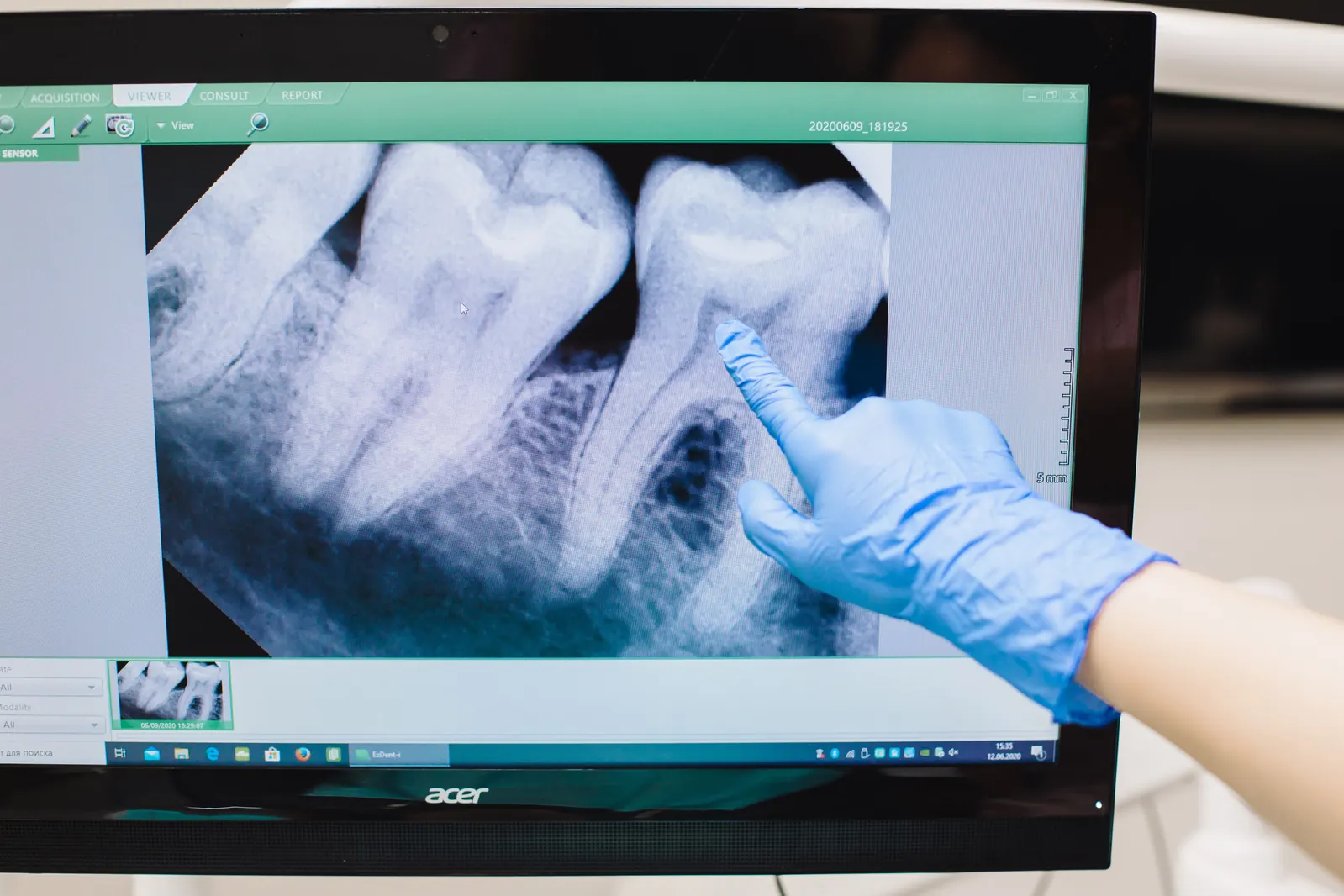
Throughout the documentary, patients described the treatment they had received as “veneers”. The footage showed teeth that had been reduced by 1.5–2 mm on all four sides — which is the preparation for a crown, not a veneer. A veneer, by any standard textbook definition, involves 0.3–0.5 mm of enamel removed only on the facial surface of the tooth.
The documentary did not make this distinction. Instead, it presented the situation as “veneers have gone wrong in Turkey”. The more accurate framing is that the procedure called “veneers” in the clinics under discussion is actually a crown preparation. This is not a technical quibble — it materially changes how viewers should interpret the story. Crowns are a legitimate restorative procedure with decades of successful outcomes when indicated and properly executed. The problem is not the procedure. The problem is the misrepresentation.
Category two: “Turkey”
The documentary framed the story as a country-level problem. But the clinical failure pattern is specific to a particular business model — high-volume cosmetic clinics offering short-stay full-mouth packages — that exists in multiple countries. The same pattern exists in parts of Mexico, in Budapest, in coastal Spain. The documentary’s national framing is understandable as narrative, but it obscures the actual pattern.
Category three: specialist clinics
The documentary did not distinguish between specialist-led polyclinics and volume-driven cosmetic operations. In viewer takeaway, all Turkish dentistry was lumped together. A specialist practice in Nişantaşı seeing one or two patients a day — with endodontists on staff, CBCT imaging, written warranties, and continuity of care — is a fundamentally different operation than a 40-chair clinic processing hundreds of patients a week.
If the BBC documentary had been about UK dentistry and had lumped together a specialist London practice with a discount chain offering dentures, we would have called the reporting unserious. The same standard should apply across borders.
Why the category error matters
A UK patient watching the documentary will reasonably conclude: “Dental treatment in Turkey is dangerous, avoid it.” That conclusion may protect some patients from volume clinics — a good outcome. But it will also push others back to waiting lists they cannot practically endure, or private UK quotes they cannot afford.
The better conclusion, from the same evidence, would be: “High-volume short-stay cosmetic packages anywhere — Turkey, Eastern Europe, Mexico — carry significant risk of aggressive crown preparation sold as veneer treatment. Specialist-led practices with documented materials, CBCT planning, written warranties and continuity of care do not show this failure pattern.”
That is a more useful consumer-protection message. It is also more accurate.
What should have been in the documentary
- The enamel measurement difference — veneer preparation versus crown preparation — shown with actual clinical footage and explained.
- An interview with a specialist-led Turkish practice to contrast operating models.
- The Turkish regulatory framework — Ministry of Health licensing, Turkish Dental Association specialist register — as context.
- A specific checklist for UK patients considering treatment abroad: the six or seven questions that separate safe options from the rest.
- Acknowledgement of the underlying driver — NHS wait times of over a year for implant consultations, private UK pricing three to five times higher than specialist work abroad.
What this means if you are researching
Take the BBC stories seriously. They are documenting a real failure pattern. Then apply the specific filter:
- Is the practice specialist-led, with named clinicians on the register?
- Is CBCT part of every implant plan?
- Are materials named with brand and lot number?
- Is the procedure you are considering a veneer (minimal prep) or a crown (full prep)? Ask.
- Is the warranty written, specific, and conditional on follow-up?
- Is the case count per day in single digits?
- Is there a plan in writing before you fly?
A clinic that says yes to all seven is in a different category than the clinics the BBC was describing. That does not prove it is the right clinic for you — but it takes you out of the documentary’s failure pattern.
A brief, personal note
I was in clinical practice during the period the BBC documentary covered. I watched UK patients walk into this clinic with aggressive crown work done elsewhere, in tears, describing what they thought they had bought. The failure mode the BBC described is real. I have no interest in pretending otherwise. I do have an interest in the category error being corrected — because the conflation of volume cosmetic clinics with specialist Turkish dentistry is doing damage to the patients the documentary was trying to protect, by pushing them back to options that are not better for them.