ESE & AAE Member · Straumann · Neodent · Nobel Biocare · Since 1985
◆ Restorative · Tier 2

Dental crowns,
for restoration — not cosmetics.

A crown is a full-coverage restoration. It is the right answer for a tooth that has lost too much structure to be veneered, has been root-canal-treated, or supports an implant. It is the wrong answer for a healthy tooth whose owner simply wants a brighter smile — that is a veneer case, not a crown case.

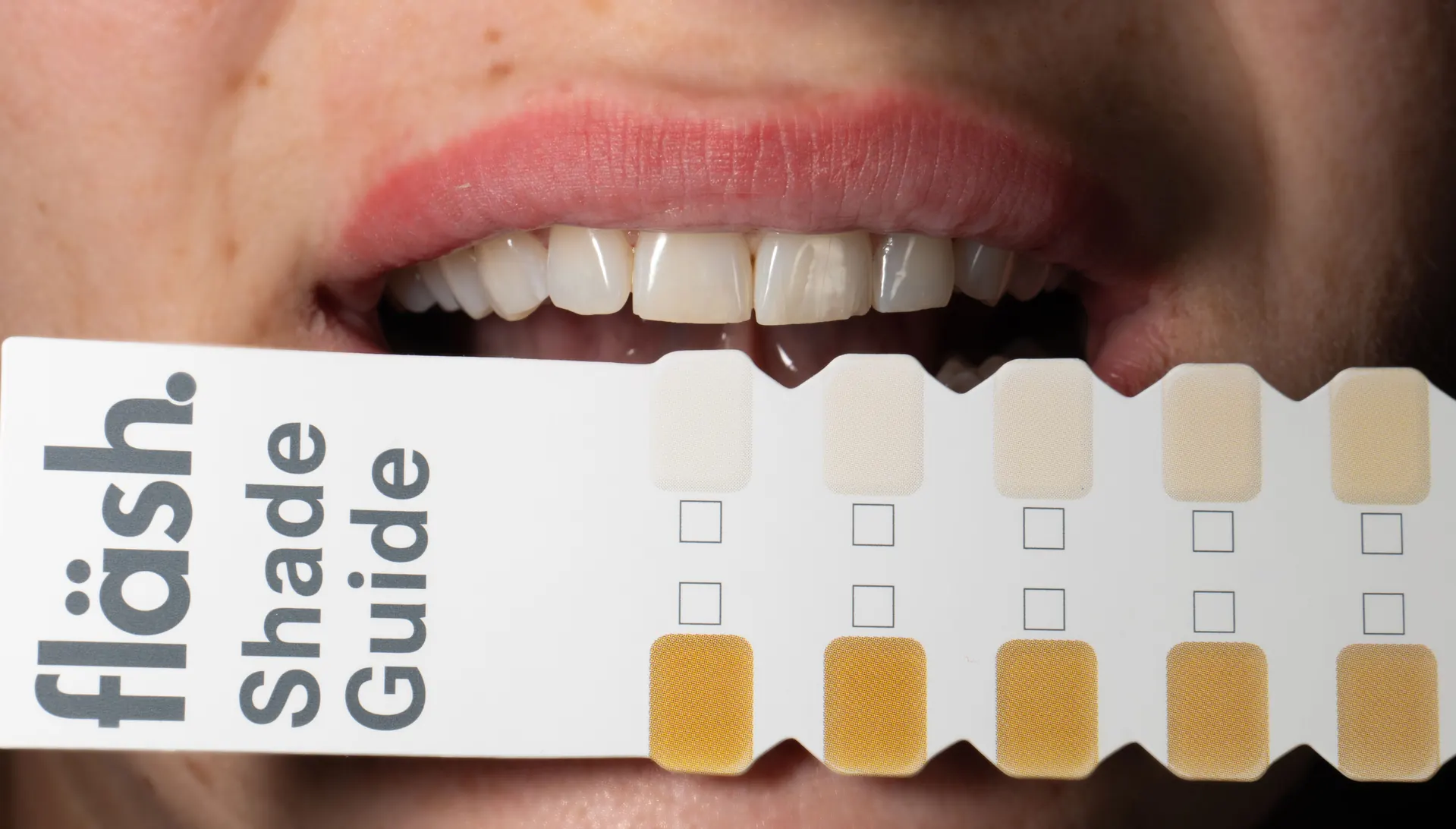
dental crowns at GC Clinic Istanbul
Materials

Three materials, for three different jobs.

01

Zirconia (Zirkonzahn Prettau)

Monolithic zirconia. Highest strength — our default for posterior single crowns and full-arch bridgework. Can be milled thinner than older zirconia generations.

02

e.max (Ivoclar)

Lithium-disilicate. The middle ground — strength and aesthetics combined. Our default for anterior crowns where translucency matters.

03

Feldspathic layered

Traditional porcelain, built by hand. Used rarely, when the aesthetic brief demands the subtlest light-play and the bite forces allow it.

Indications

When is a crown the correct answer?

Indications

Large structural loss — deep decay or fracture leaves too little tooth for a filling.

After root canal treatment — the tooth is structurally weaker and needs full coverage to prevent fracture.

Implant restoration — the visible part of the implant is a crown, screwed or cemented onto the abutment.

Bridge abutment — the crowns at each end of a fixed bridge span a missing tooth.
Unsure if you need a crown or a veneer? Upload a photo, we will tell you.

Your crown is milled in zirconia or pressed in IPS e.max in our in-house lab, with material selection driven by tooth position and opposing dentition rather than by stock. Batch and lot numbers are recorded for warranty and traceability.

Built at GC Clinic LabworX